
“It’s a very clean country!” – that’s all tourists usually say about Belarus in general and Minsk particularly. And this is actually true – lots of opportunities to sort and recycle waste both from the government and private business side. Let’s make a deeper dive!
📌 General information:
% of rubbish recycled in Belarus (average): 25% in 2020 (22,5% in 2019). Fines for those who fail to sort waste are up to $375 for individuals, but in practice, they are applied very rarely (close to never). The capital of the country (Minsk) could be highlighted as the most eco-friendly city.
🏭Recycling Stations
You could find waste collection points for a particular waste type on an interactive map created by GreenMap Project. Unfortunately, there is still no recycling station where many types of waste could be accepted in one go.
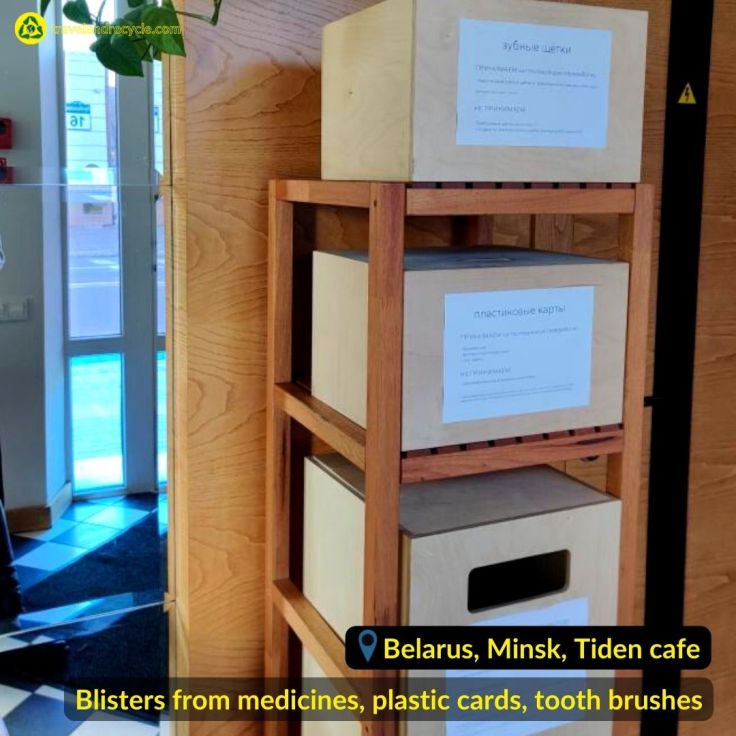
Rare waste types accepted in Belarus: plastic cards, and toothbrushes accepted in cafe Tiden.Space (Minsk, Kuibysheva str., 31).

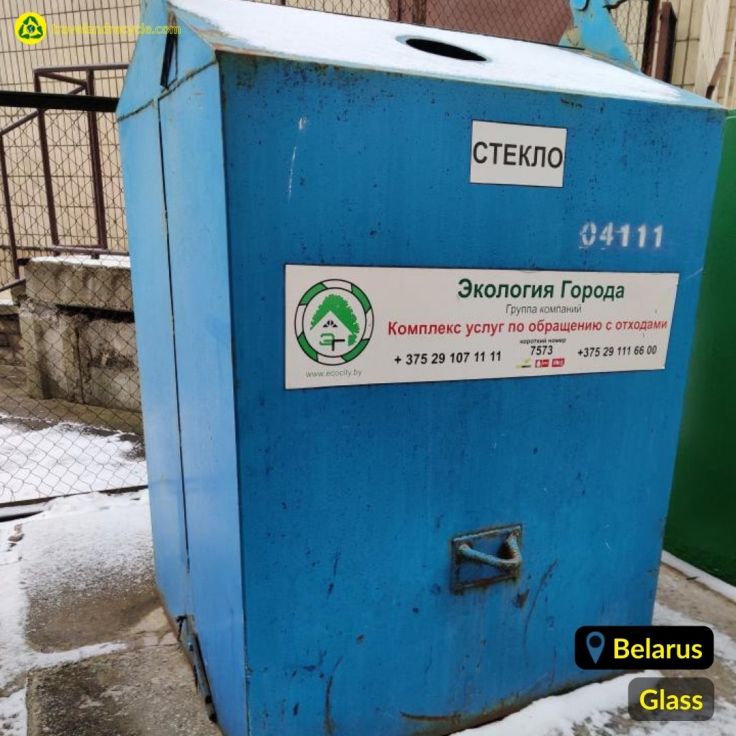
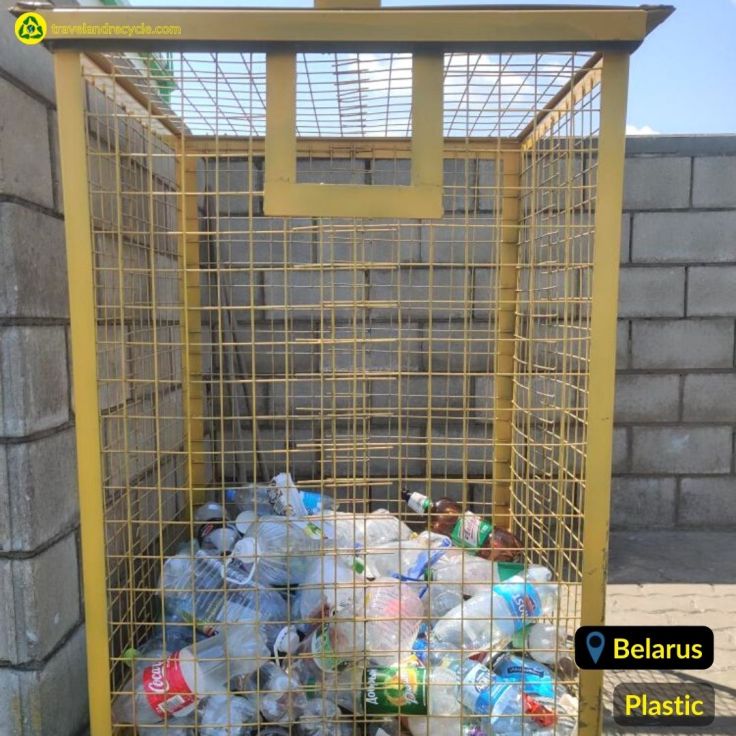

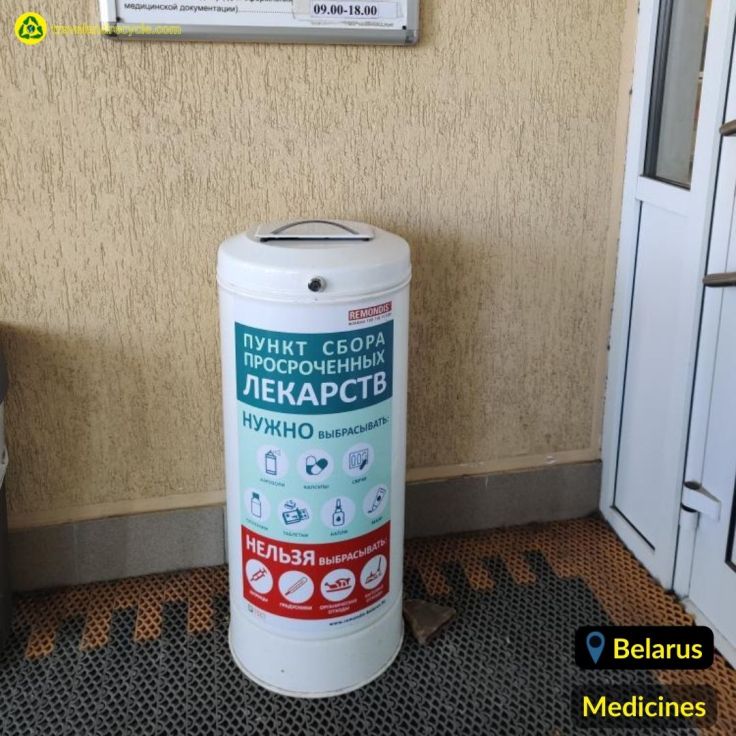

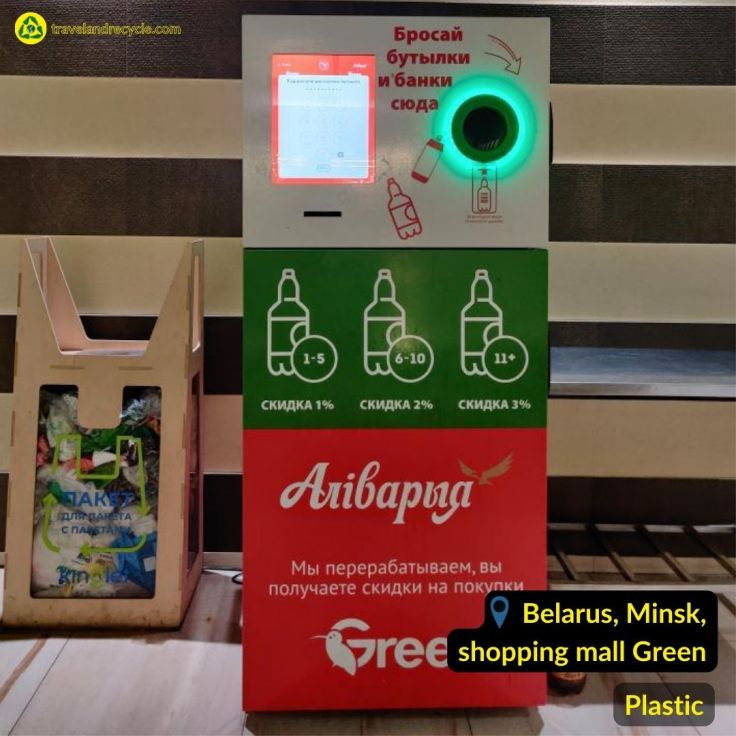
🥛 Glass
📚 Paper
🥤 Plastic
🧷 Metal
To find the nearest recycling point use Green Map and filter appropriate waste type (use the auto-translate option to read the name of the waste category in English).
If you will use dedicated government recycling stations (for example: “Belvtorresurs”, “Minskoptvtorresurs”) – you can even receive some money for your recyclables:
- ~0.05$ for 1 kg of glass;
- ~0.08$ for 1 kg of paper;
- ~0.1$ for 1 kg of plastic bottles;
- and for metal I didn’t find any information – if you know please write in the comments!
For sure, it’s not big money, but if it can add some motivation for recycling – why not?
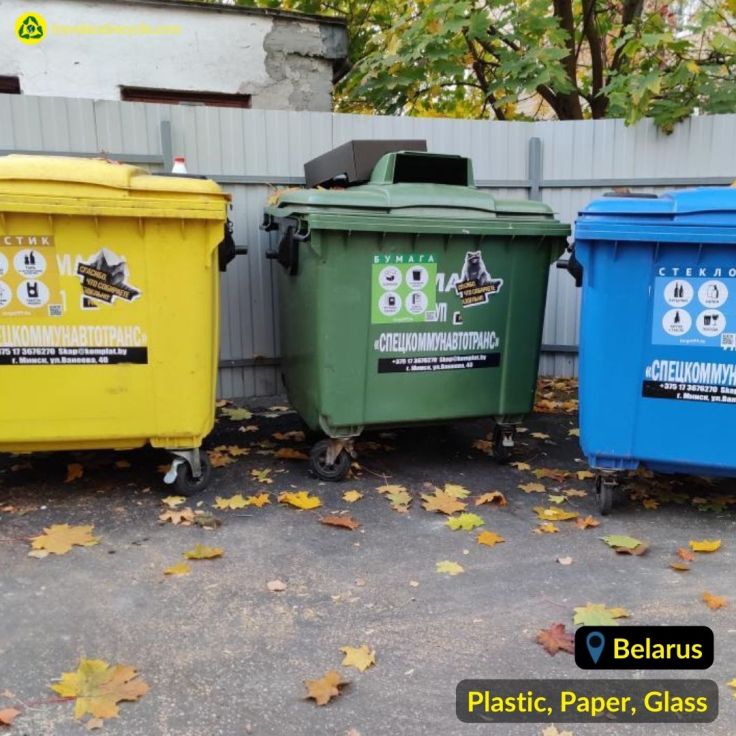
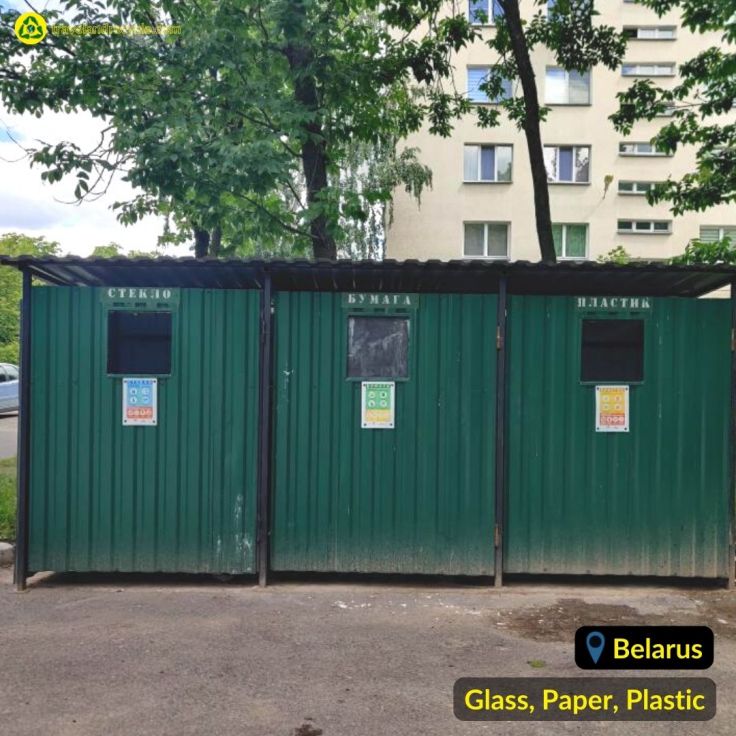
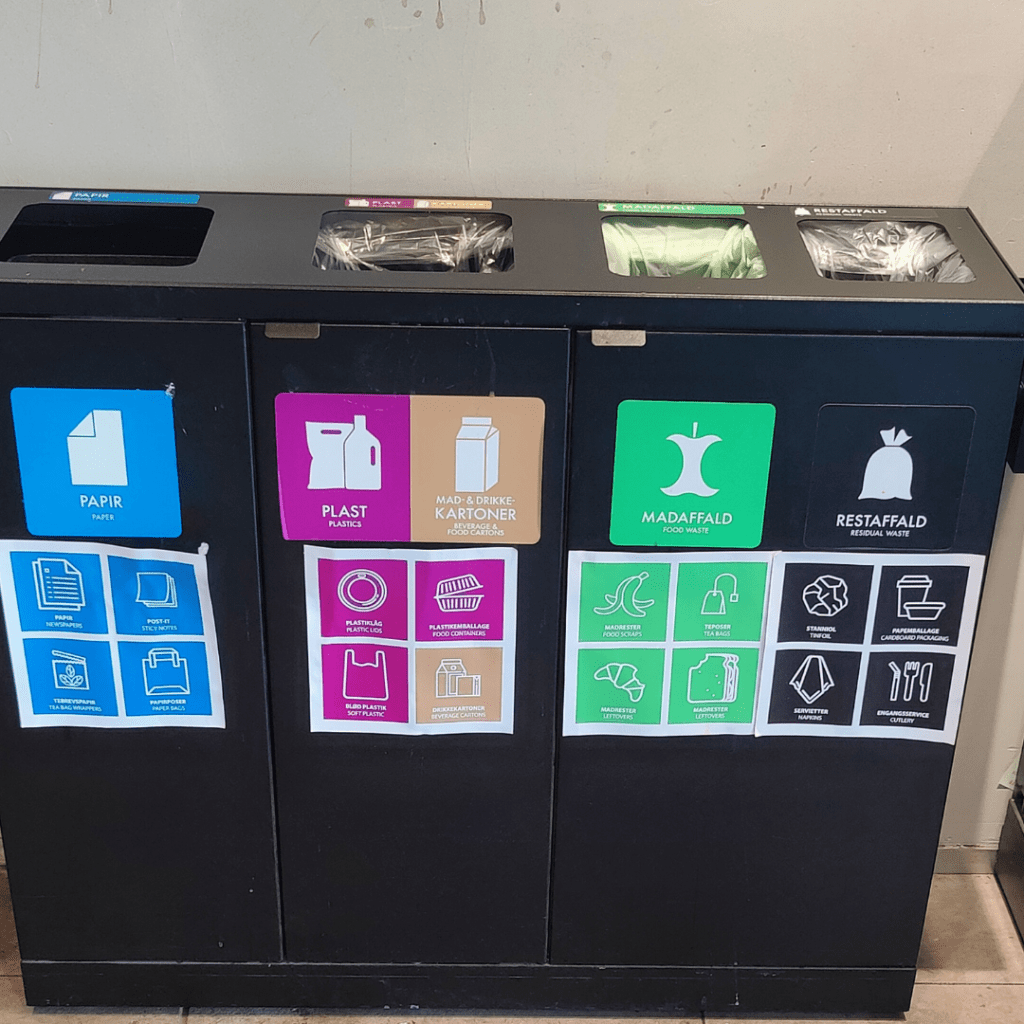
Colored recycling bins for the most popular types of waste, like paper, plastic, and glass are usually installed near houses (residential areas*), but also in the city center and big shopping malls. But generally, recycling infrastructure is developed only in Minsk.
*It is allowed to use bins near the housing complex even if you do not live in this house (unlike Europe countries’ usual rules).
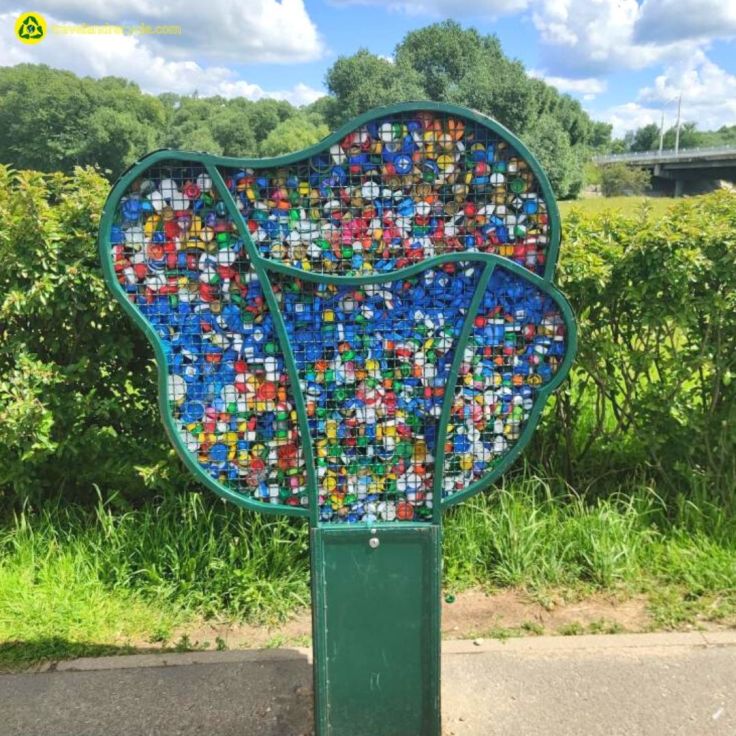
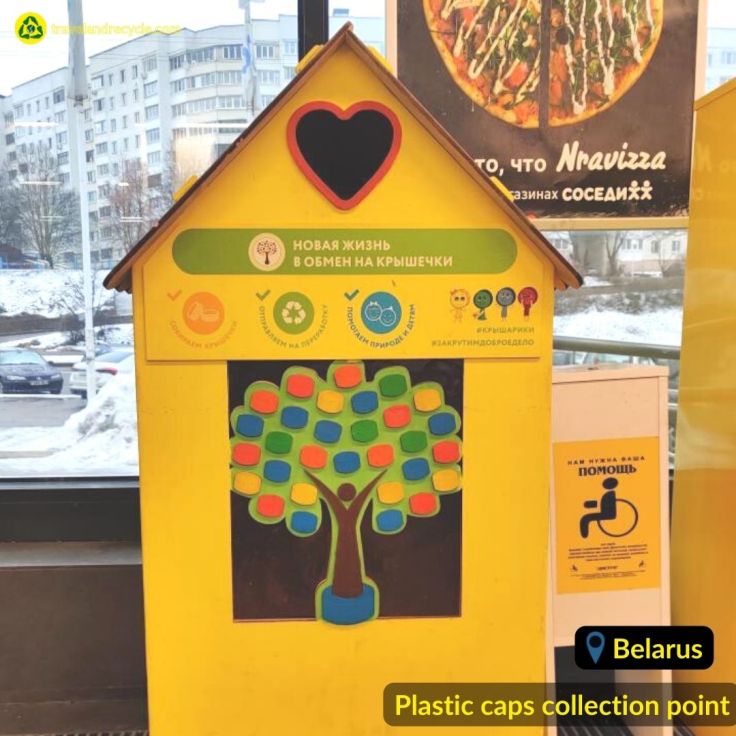
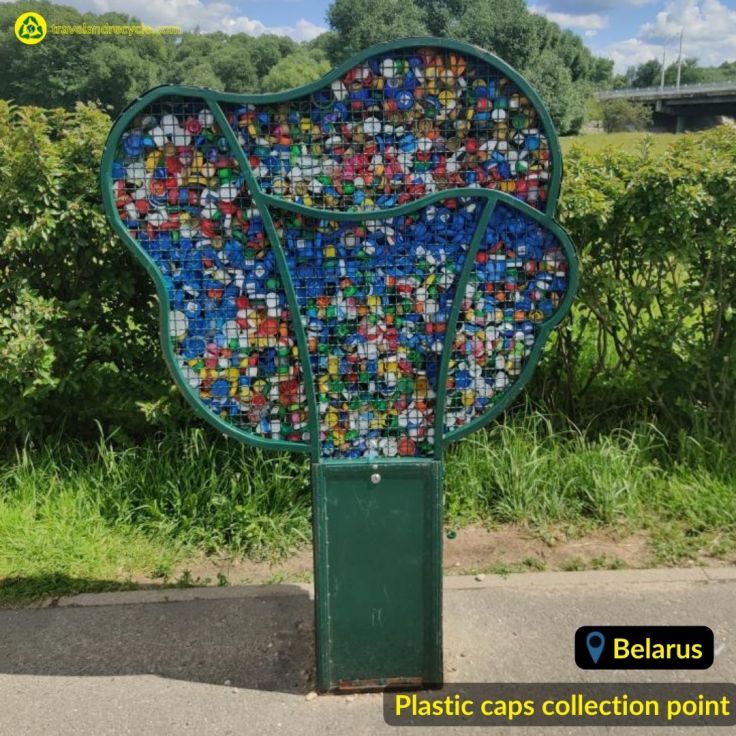
There are dedicated containers for bottle caps collection provided by Kryshariki Project and waste containers for Tetra-Pak (separate filters on the Greenmap).
There is 1 reverse vending machine (fandomat) in the “Green” supermarket in the “Skala” shopping center (up to 3% discount is provided in exchange).
🔋 Batteries
💻 E-waste
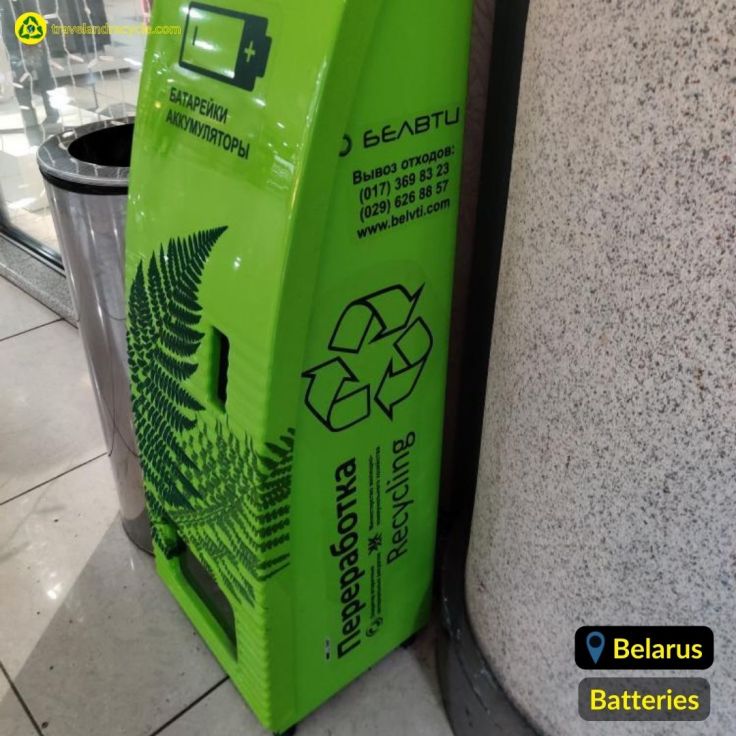
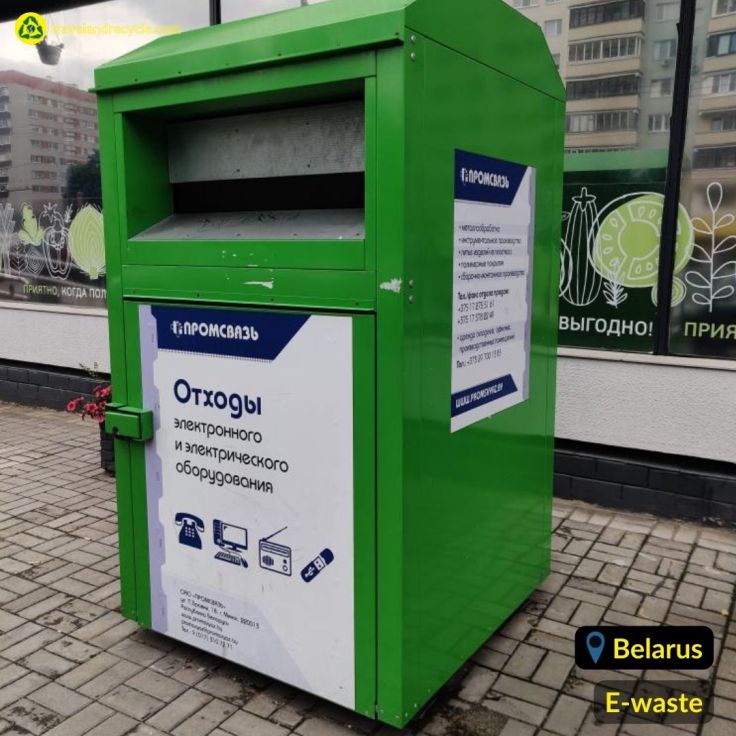
You can find dedicated recycling bins for batteries, accumulators, and E-waste in big electronic stores and shopping malls. You can find the nearest collection point on Green Map using a filter for this type of waste.
🧦 Textiles
Clothes could be accepted by Non-Profit Organisations, such as KaliLaska, RedCross (the last have boxes for clothes installed in big cities). You can find the nearest station on Green Map using the filter for this type of waste.
🍏 Organic
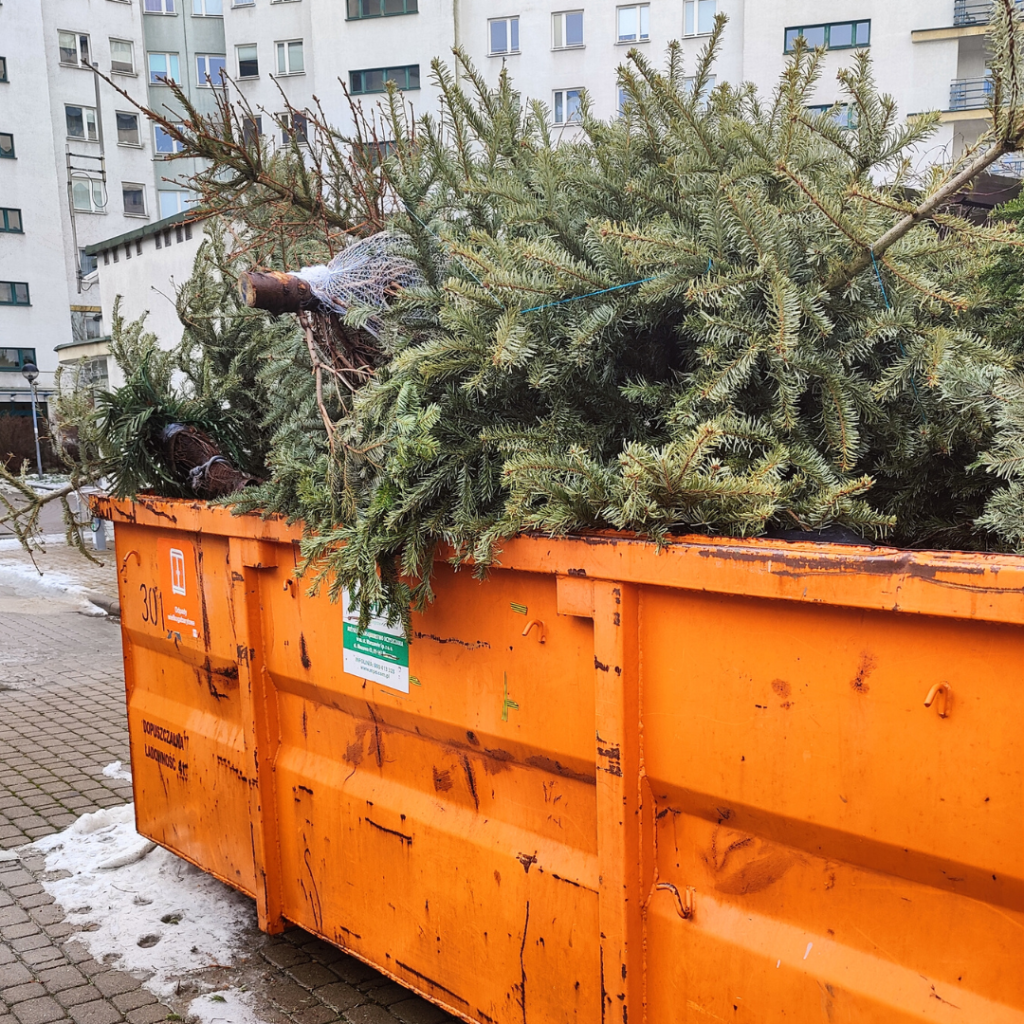
Very-very rare, but in some regions, you can find green bins for organic. It’s used then for industrial composting. At the same time, there is no centralized government composting initiatives for organic. Only individual-level organic composting initiatives, only hardcore. There is no biogas collection from wastewater, so disposers in flats are not a solution as well.
🔥 Non-recyclable
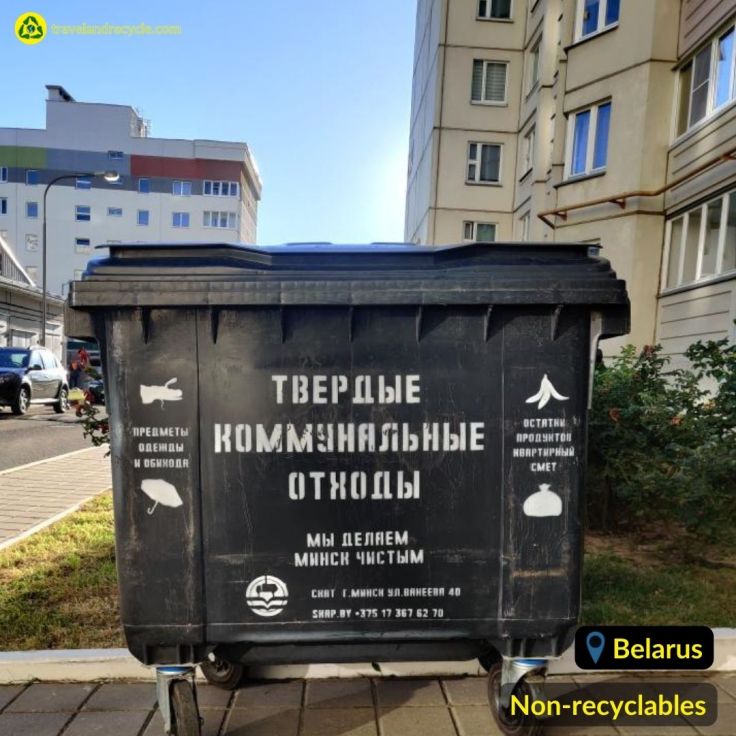
Other (or non-recyclable) waste types can be thrown out to standard grey bins that you can find in any country around the world.
By Hanna Shahuryna ⭗ Photos Eelena Franskevich @ Updated on February 2023
 Travel and Recycle
Leave a comment